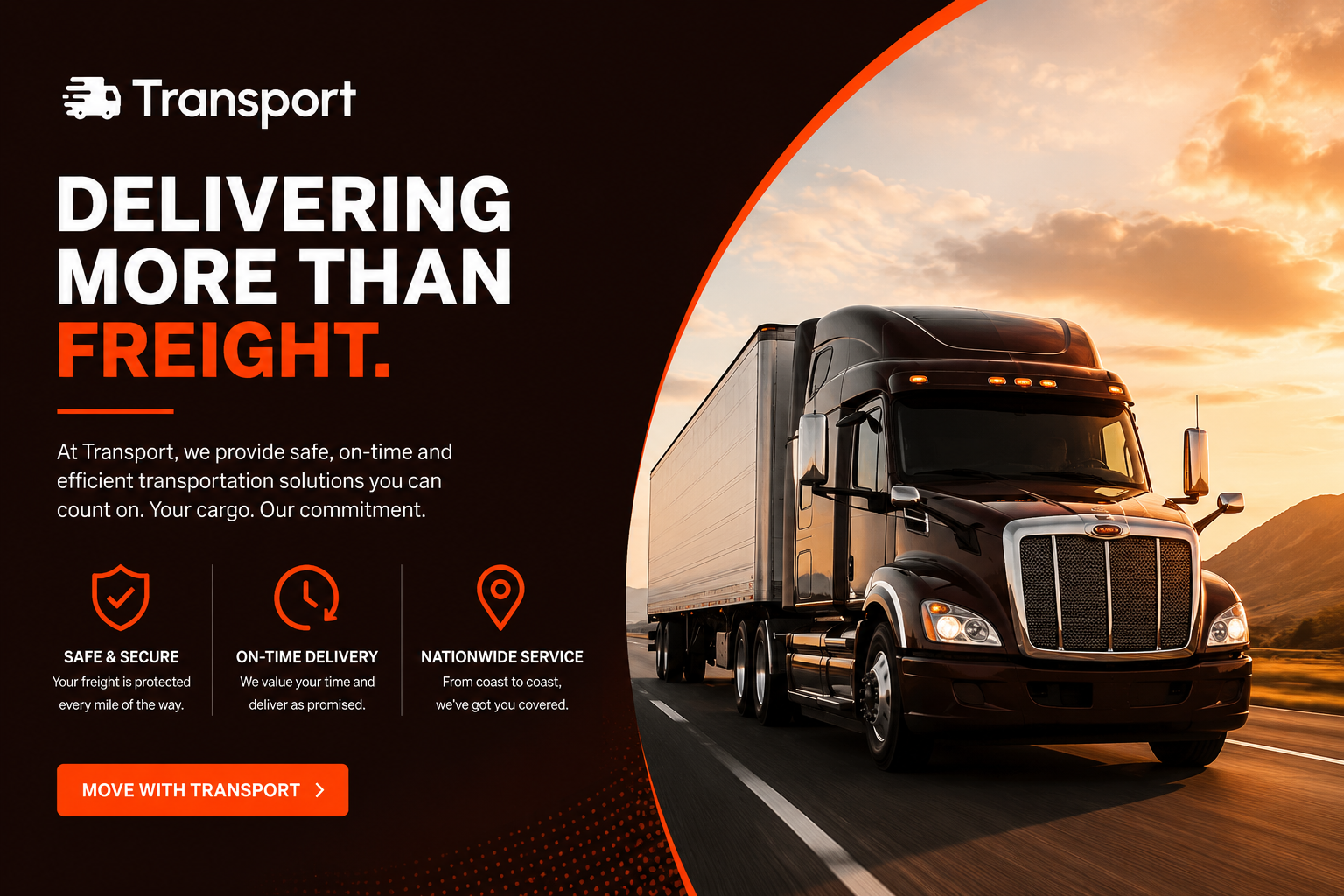
The logistics and freight industry is undergoing a massive transformation. In a world where global supply chains face constant disruptions, volatile fuel prices, and shifting consumer expectations, businesses can no longer rely on outdated transport methods. Success in modern commerce depends heavily on speed, transparency, and absolute reliability. Modern enterprises require supply chain partners that can seamlessly connect national and international markets while maintaining tight schedules and precise temperature controls.
For businesses looking to optimize their supply chain, partnership with a dedicated freight provider is no longer optional. Logistics networks must operate with pinpoint accuracy, leveraging advanced tracking technologies and compliant fleets to ensure goods arrive safely. Whether handling sensitive medical equipment or high-volume retail goods, precision freight management forms the backbone of operational resilience..
The Power of 24/7 Real-Time Shipment Visibility
One of the most critical advances in modern freight operations is end-to-end transparency. Historically, freight tracking involved periodic phone updates and estimated times of arrival that often proved unreliable. Today, satellite technology and real-time tracking systems have transformed how logistics companies monitor cargo across borders.
Real-time visibility allows shipping managers to track location, monitor environmental conditions, and instantly adapt to traffic or weather delays. Having 24/7 access to live location data eliminates uncertainty and empowers businesses to coordinate downstream operations like warehouse intake and customer deliveries with complete confidence. In a competitive market, transparency builds trust between logistics providers and the clients who depend on them.
Specialized Fleet Solutions for Critical Industries
Not all freight is created equal. Industries such as pharmaceutical manufacturing, food and beverage, and high-tech electronics demand specialized transport environments to preserve cargo integrity. Temperature-controlled refrigerated transport, for example, is mandatory when transporting cold-chain goods like perishable foods, vaccines, and sensitive chemical compounds.
A single temperature fluctuation can result in thousands of dollars in lost inventory and regulatory non-compliance. Logistics providers operating certified, compliant fleets ensure stringent conditions are maintained throughout the journey. By combining dedicated regional distribution networks with specialized refrigerated transport, businesses can meet rigorous industry standards while maintaining continuous supply chain integrity across multiple borders.
Scaling Operations with 3PL Subcontracting and Warehousing
As businesses grow, their shipping demands fluctuate seasonally and regionally. Investing in a permanent fleet and physical warehousing space in every market can severely restrict capital and operational agility. Third-Party Logistics, or 3PL, subcontracting provides a strategic path to scalability.
By leveraging third-party logistics support, companies can scale shipping volumes up or down according to demand without incurring heavy fixed overhead costs. Integrated warehousing and fulfillment hubs allow for strategic inventory placement closer to end markets. This hybrid approach enables faster regional distribution, reduces transit times, and grants businesses the flexibility to rapidly expand into new international regions without friction.
Driving Supply Chain Excellence and Customer Satisfaction
Ultimately, the true metric of any logistics operation lies in performance statistics and customer satisfaction. Consistently achieving high on-time delivery rates requires careful route planning, proactive fleet maintenance, and multilingual support teams capable of navigating cross-border requirements seamlessly.
Businesses that align with dependable logistics specialists gain a distinct competitive advantage. They reduce operational bottlenecks, protect product quality, and establish a dependable reputation with their own end-customers. Investing in modern, precise freight solutions transforms logistics from an operational expense into a strong driver of long-term business growth.